

Texas houses the largest cattle inventory in the United States, boasting 12.1 million head in January 2026. To ensure industry prosperity and secure the food supply, a network of ranchers, veterinarians, researchers, and animal health officials continually work together to implement animal health and biosecurity protocols, with an overarching aim of preventing and managing diseases and parasites that could threaten livestock and other wild and domestic animals.
The New World screwworm has been an area of focus for the beef industry and federal and state health officials since November 2024 when the first case in southern Mexico was officially reported to the United States Department of Agriculture (USDA). Although the New World screwworm was eradicated from the United States decades ago, maintaining eradication status requires ongoing surveillance and international collaboration.
While most of the current discourse surrounding the New World screwworm focuses on cattle production, it is not solely an agricultural issue. The parasite affects many warm-blooded animals, including wildlife and companion animals (dogs and cats), underlining the importance of public awareness and early reporting to mitigate spread.
1. What is the New World screwworm?
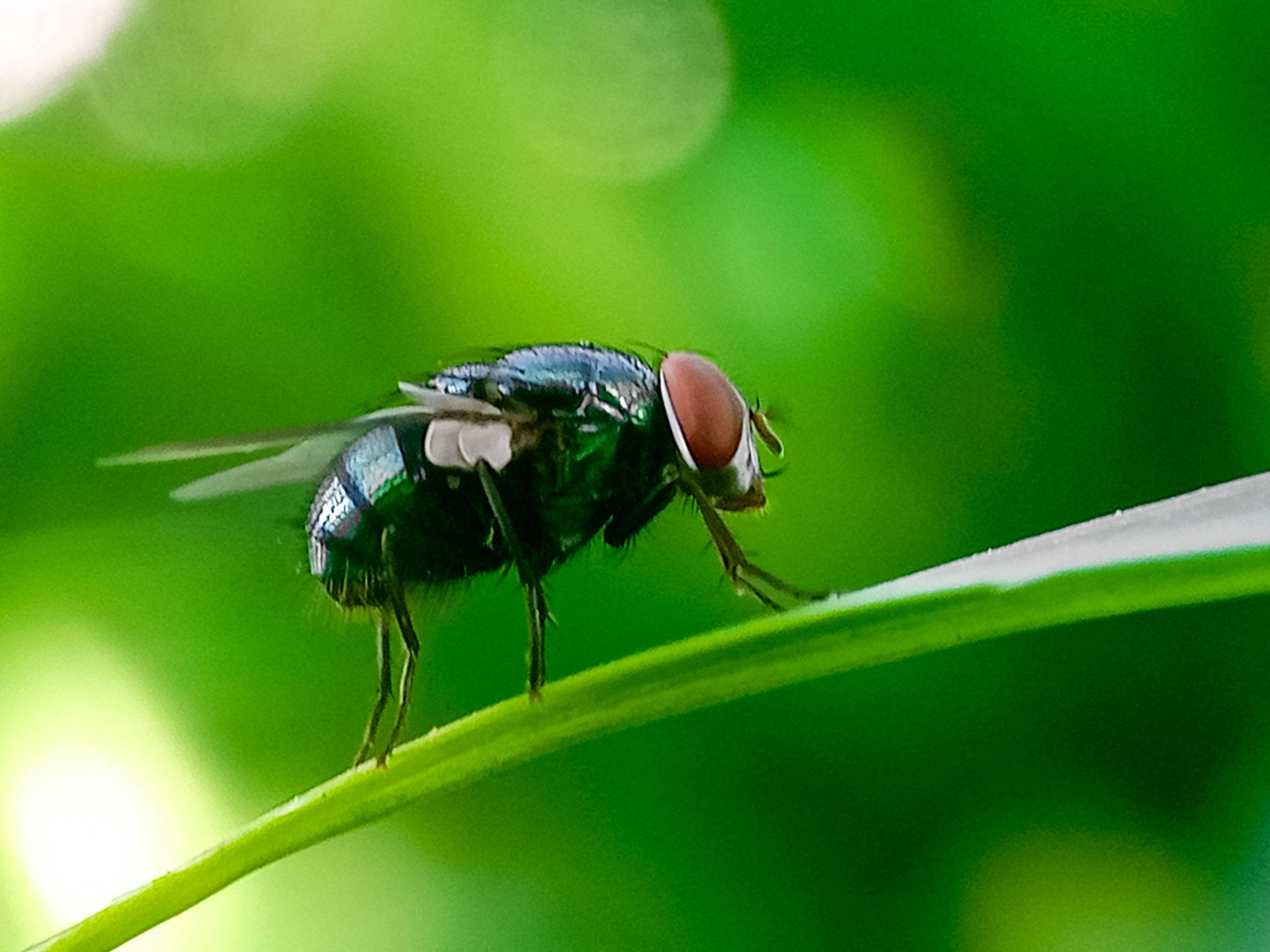
The name is misleading; the New World screwworm is not actually a worm but is the larval stage of the fly Cochliomyia hominivorax, which feeds on living tissue. This feeding behavior differentiates the New World screwworm from many other fly species that consume dead or decaying tissue, or other organic matter.
Adult female flies seek wounds on warm-blooded animals—such as cuts, surgical sites, and the navels of newborn animals—to deposit eggs. Those eggs hatch quickly, and the larvae feed on healthy tissue during development, causing existing wounds to become progressively larger and more severe if not quickly identified and treated.
The good news is that we know relatively a lot about the New World screwworm because it is not a “new” problem; in the early 1900s, the screwworm was one of the most economically damaging parasites to the livestock industry, especially in the southern United States. By the 1950s, USDA entomologists developed a novel idea: instead of killing every fly, they released sterile males to mate with wild female flies, preventing the production of viable larvae. Large-scale sterile fly release programs eradicated the New World screwworm from the United States by the mid-1960s and collaborations with countries south of our border minimized the threat of a resurgence in the United States.
However, eradication is not absolute and requires ongoing efforts. For example, the Florida Keys experienced an outbreak in 2016 when the parasite infected deer and some domestic animals. This outbreak was quickly contained and resolved by 2017. In 2023, animal health officials started documenting a northward spread of the New World screwworm through Central America and Mexico. As the parasite approached the United States, surveillance and response activities intensified.
2. What’s happening now?
In early June 2026, the USDA and Texas Animal Health Commission documented the first known New World screwworm case in Zavala County and implemented a quarantine zone, in addition to other initiatives to mitigate further spread of the parasite. Since the initial case, there have been three additional cases in the region, including in Texas-based livestock (La Salle and Gillespie counties) and one dog thought to reside in New Mexico (as of June 8).
Animal movement is a normal and necessary part of beef production, but it also underscores the importance of robust surveillance systems. When a parasite is identified, animal health officials work to understand where affected animals have been and other livestock or susceptible species they may have contacted. Collaborations between ranchers, veterinarians, and federal and state animal health officials enhance the effectiveness of these processes and improve the likelihood that isolated detections can be contained before they spread.
While the number and geographic distribution of cases are growing and are rightfully concerning, animal health officials have been preparing for months ahead of the current confirmed infestations. In addition to monitoring processes, federal and state agencies have also completed an active sterile fly dispersal facility with other infrastructure under development to produce large quantities of sterile flies domestically. Further, the USDA has also suspended imports of certain livestock and other animals from specific regions known to pose a risk due to active screwworm infestations.
Continued surveillance may identify additional cases in the United States, causing public alarm. However, animal health officials are actively transitioning preparedness to active response, employing many of the same strategies that successfully eradicated the New World screwworm during the original outbreak and eradication campaign.
3. How does the screwworm affect cattle?
Cattle spend much of their time grazing among fences, brush, and rough terrain, where minor injuries can occur. Routine management practices (branding, castration, dehorning, or ear tagging) necessary to production also create temporary wounds that normally heal without complication. However, the New World screwworm takes advantage of these wounds and exacerbates them through their feeding behavior.
Early signs that an infestation has occurred include a wound that is not healing normally and may have a foul-smelling discharge. Animals also may appear restless, separate themselves from the herd, or spend more time licking or rubbing the affected area.
If left untreated, infestations can lead to significant tissue damage, secondary infections, diminished animal productivity, and, in severe cases, death. However, when detected early, affected animals can be treated and resume productive lives.
4. How does it affect humans?
Although the New World screwworm is primarily an animal health concern, humans could be affected. In rare cases, flies may deposit eggs in open wounds, resulting in a condition known as myiasis. However, given hygienic and medical standards of the United States, this is not a practical concern, even for people in the general proximity of an affected animal.
It is important to understand that the New World screwworm does not pose a food safety risk and beef products remain the same safe, quality foods that consumers enjoy. However, the New World screwworm could disrupt the beef supply chain and increase production costs, resulting in more expensive beef.
Besides the grocery bill, the most immediate concern for the public is the animals they care for. Companion animals and horses can also become infested if they have untreated wounds. Pet owners should routinely check injuries, especially if they live in or travel through affected areas, and seek veterinary guidance if a wound appears unusual or fails to heal properly.
5. How can the spread of the New World screwworm be stopped?
Beyond the federal and state initiatives of implementing sterile fly release programs, the most important tools we have are likely surveillance and communication, both of which depend on broad public participation.
While livestock producers have been following this story and having conversations for months, it is important that the public is also educated to contribute to mitigation efforts. Whether it be in livestock, wildlife, or pets—any concerning wounds should be reported to veterinarians and/or animal health officials.
Early detection provides animal health authorities with opportunities to respond quickly, limit spread to other animals, and minimize disruptions to livestock production. It is critically important to remember that protecting livestock benefits everyone; healthy cattle support a stable food supply, and preventing large-scale outbreaks helps avoid increases in production costs that could affect consumers at the grocery store.
Closing thoughts
The recent detection of the New World screwworm in the southern United States is not a sign that decades of progress have been lost. Rather, it demonstrates why continued investment in research, surveillance, and collaboration remain so important.
The original eradication of New World screwworm from the United States is a success story in veterinary medicine and agricultural sciences and the tools, knowledge, and partnerships that made that achievement possible are still in place today.
While livestock producers are often the first line of defense, protecting animal health is ultimately a shared responsibility to maintain stable food supply, ensure positive welfare in domestic and wild animal populations, and reduce the likelihood of disruptions that could affect food prices and the economy.