Five questions answered about the current hantavirus cruise ship outbreak by a TXST microbiology and virology specialist
A TXST virology expert answers five key questions about the deadly hantavirus outbreak linked to a cruise ship, explaining risks, symptoms, transmission, and why global health officials are concerned.
A deadly outbreak of hantavirus linked to the Dutch expedition cruise ship MV Hondius has raised international concern after multiple passengers became ill and at least three people died. Health authorities, including the World Health Organization and the Centers for Disease Control and Prevention (CDC), are now monitoring passengers and tracing contacts across several countries. A total of 11 people around the world have had either confirmed or suspected cases of hantavirus tied to the cruise outbreak, World Health Organization Director-General Tedros Adhanom Ghebreyesus, Ph.D., said at a recent news conference.
According to current reports, 18 Americans who were aboard the cruise ship linked to the deadly hantavirus outbreak are now being monitored at specialized healthcare facilities in the United States. One passenger is receiving care in a biocontainment unit at the University of Nebraska, while 15 additional individuals are under quarantine at the university’s National Quarantine Center. Two other passengers have been transferred to a biocontainment unit at Emory University in Atlanta. One of those individuals developed symptoms; however, testing was negative for the Andes variant of hantavirus.
As a microbiologist and virologist who studies infectious diseases and public health preparedness, I often get questions when rare viruses suddenly make headlines. Here are five important questions—and answers—about the current hantavirus outbreak.
1. What exactly is hantavirus?
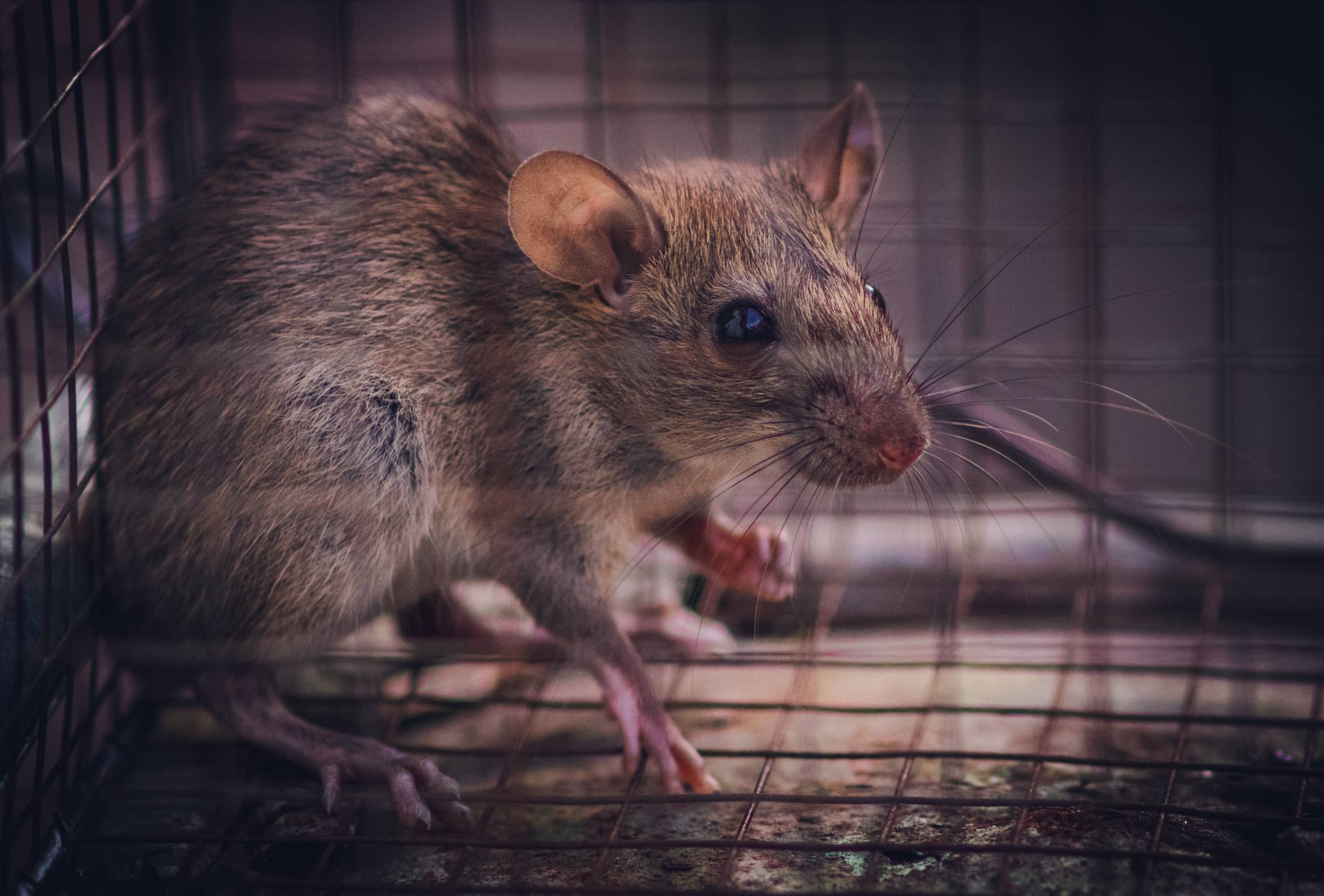
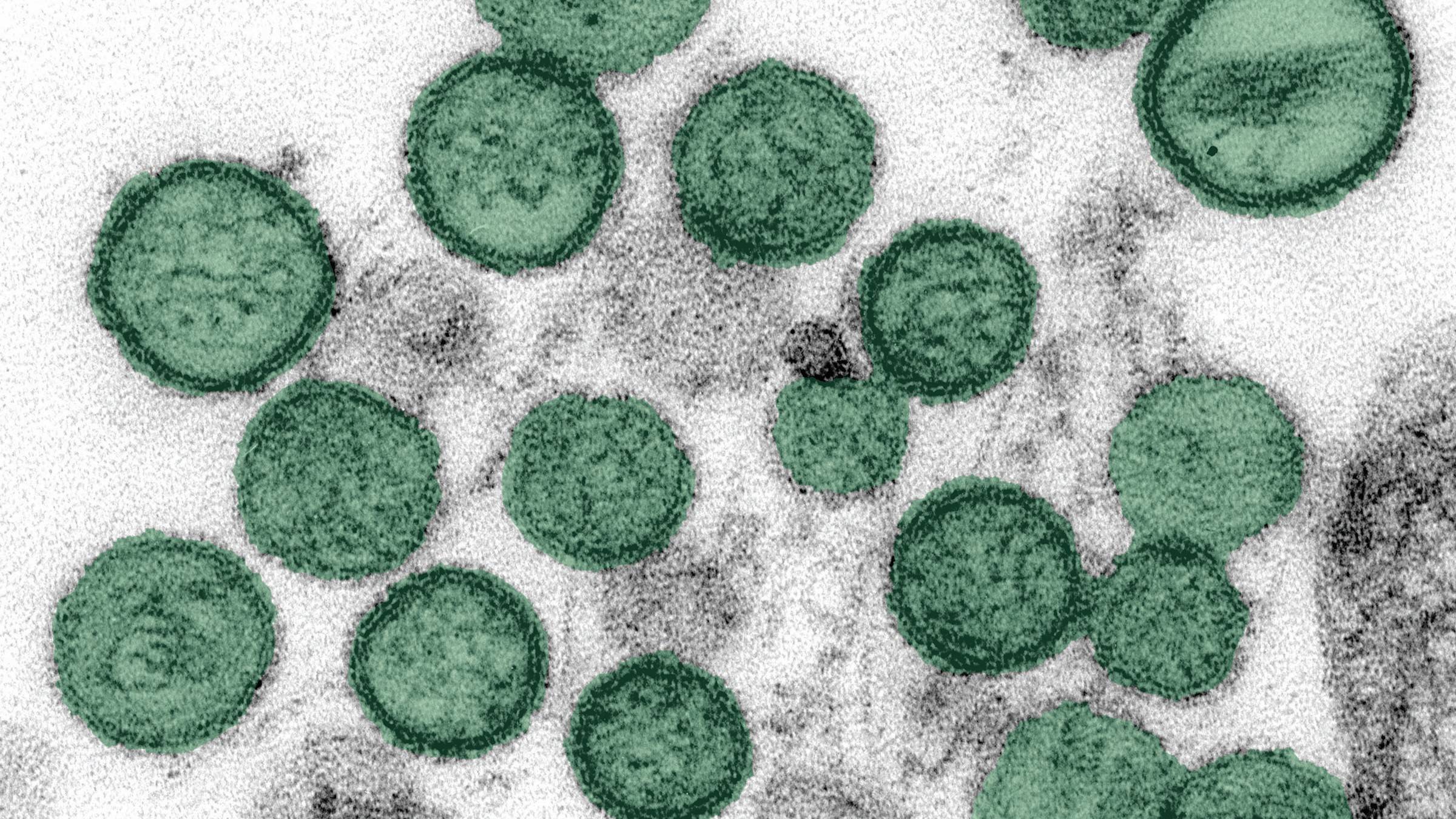
Hantaviruses are a family of viruses primarily carried by rodents. Humans usually become infected after breathing in tiny particles contaminated with rodent urine, droppings or saliva. In the Americas, hantaviruses can cause a severe disease called hantavirus pulmonary syndrome, or HPS, which affects the lungs and can become life-threatening.
The strain associated with the cruise ship outbreak appears to be the Andes virus, a hantavirus found mainly in parts of South America, especially Argentina and Chile. Unlike most hantaviruses, Andes virus is unusual because it can sometimes spread from person to person through close, prolonged contact.
That distinction is important because it changes how public health officials respond. Instead of focusing only on environmental exposure, authorities also must consider contact tracing and monitoring of potentially exposed travelers.
Cruise ships create ideal conditions for infectious disease spread. People live in close quarters, share dining and recreation spaces, and often spend days or weeks together with limited medical resources onboard.
Most cruise-related outbreaks involve gastrointestinal viruses like norovirus. A hantavirus outbreak is highly unusual.
In this case, investigators are trying to determine whether the outbreak began with exposure to infected rodents before boarding, contamination somewhere on the ship, or limited person-to-person transmission involving Andes virus. Reports suggest the voyage began in Ushuaia, Argentina—an area where Andes virus is known to circulate. Argentine investigators suspect a Dutch couple may have first contracted the virus while on a bird-watching trip before they boarded the cruise ship in Argentina on April 1. Bird watchers routinely use sites like landfills because a diverse number of birds will feed in these sites. Importantly, landfills offer prime real estate for rodents which are known to shed hantavirus.
Patient Zero (the likely index case) in the cruise ship hantavirus outbreak has been identified as ornithologist Leo Schilperoord, whose passion for birds may have cost him his life.
The 70-year-old man and his wife, Mirjam Schilperoord, 69, were on a five-month trip to South America. On Nov. 27, they landed in Argentina. They traveled through Chile, Uruguay and then back to Argentina in late March, where they went on a fateful birdwatching adventure.
Another challenge is the international nature of cruise travel. Passengers and crew often come from multiple countries and may disperse quickly after disembarking, complicating contact tracing and quarantine efforts.
3. What symptoms should people watch for?
Early hantavirus symptoms can resemble influenza or COVID-19. People may develop:
Fever
Muscle aches
Fatigue
Headache
Chills
Nausea or abdominal symptoms
As the illness progresses, some patients develop coughing and severe shortness of breath as fluid accumulates in the lungs. This stage can rapidly become critical and is often referred to as acute respiratory distress (also known as hantavirus pulmonary syndrome).
Anyone who recently traveled on the affected ship—or had close contact with a confirmed case—should seek medical care immediately if respiratory symptoms develop.
4. Is the public at risk of a larger outbreak?
Right now, public health agencies say the broader public risk remains low.
Although Andes virus can spread between people, transmission appears to require close and sustained contact rather than casual exposure. This is not considered an easy airborne virus in the same way measles or COVID-19 (SARS-CoV-2) can spread.
Health officials are taking the outbreak seriously because Hantavirus infections can be severe and because cruise passengers travel internationally. The CDC has already outlined monitoring plans for Americans returning from the voyage, including symptom monitoring and quarantine recommendations in some situations.
The CDC is issuing this Health Alert Network (HAN) Health Advisory to inform clinicians and health departments about a new cluster of hantavirus disease cases caused by infection with Andes virus.
The situation is also a reminder that emerging infectious diseases continue to pose global risks in a highly connected world.
5. Are there treatments or vaccines for hantavirus?
Unfortunately, there is currently no approved specific antiviral treatment or widely available vaccine for hantavirus infections in the United States. Medical care mainly focuses on supportive treatment, especially oxygen therapy and intensive care for patients with severe lung involvement.
Researchers have explored experimental antibody therapies and vaccines, but progress has been limited by funding challenges and the relatively small number of cases seen globally each year.
The cruise ship outbreak may become a wake-up call for renewed investment in emerging infectious disease preparedness. Scientists have long warned that environmental disruption, climate shifts and increased human interaction with wildlife can increase opportunities for zoonotic diseases—infections that jump from animals to humans.
For now, prevention remains the best defense: avoiding rodent exposure, improving sanitation, and maintaining strong disease surveillance systems capable of detecting unusual outbreaks quickly.
The current outbreak also highlights an important public health lesson from the past several decades: infectious diseases do not respect borders, and rapid international coordination remains essential when rare pathogens emerge unexpectedly.
Closing Thoughts
As this outbreak continues to unfold, it serves as another sobering reminder that zoonotic diseases remain one of the most unpredictable threats to global health security. Hantaviruses may be rare, but rare does not mean insignificant—especially in an era of rapid international travel, ecological disruption, and increasing human interaction with wildlife reservoirs.
The scientific and public health communities must continue investing in surveillance, laboratory diagnostics, emerging pathogen research, and public communication grounded in evidence rather than fear. Preparedness is not simply about responding to the next outbreak; it is about recognizing that our interconnected world requires constant vigilance, collaboration and scientific literacy to protect lives before localized events become global crises.
Rodney E. Rohde, Ph.D., SM [ASCP]CM, SVCM, MBCM, FACSc, and Global Fellow is Regents' Professor, Texas State University System, University Distinguished Professor, and Chair of the Medical Laboratory Science Program in the College of Health Professions as Texas State University. Dr. Rohde holds certifications as a specialist in virology, specialist in microbiology and molecular biologist from the American Society for Clinical Pathology.
He served as a public health microbiologist and molecular epidemiologist for the Texas Department of State Health Services – Bureau of Laboratories and Zoonosis Control Division for a decade (1992-2002), including two stints as a CDC Visiting Scientist. Dr. Rohde joined Texas State University in 2002 and is an internationally recognized subject matter expert in microbiology and infectious diseases.
Rohde and Professor Ivan Castro (Texas State University, Biology Department) authored this article on hantavirus.
Milholland, M.T., I. Castro-Arellano*, G. Suzán, G.E. Garcia-Peña, T.E. Lee Jr., R.E. Rohde, et al. Global Diversity and Distribution of Hantaviruses and Their Hosts. EcoHealth (2018): pp. 1-46. https://doi.org/10.1007/s10393-017-1305-2
Additionally, Rohde has published this article on Hantavirus. Rohde served on the Texas DSHS Rapid Response Team during his earlier career.
Rivers, M. N., Alexander, J. L., Rohde, R. E., & Rush Pierce Jr., J. (2009). Hantavirus Pulmonary Syndrome (HPS) in Texas, 1993 – 2006. Southern Medical Journal, 102(1): 36-41.