

As summer temperatures rise across Texas, so does mosquito activity—and with it, the seasonal risk of West Nile virus (WNV). Recently, three mosquito samples collected in Hays County tested positive for WNV, serving as an important reminder that the virus is actively circulating in our community. While a positive mosquito pool does not mean an outbreak is occurring or that people are certain to become ill, it does reinforce the importance of mosquito bite prevention and public health surveillance.
WNV remains the leading cause of mosquito-borne disease in the continental United States. Since it was first detected in New York in 1999, it has spread throughout the country, becoming endemic across Texas and much of North America. Most infections are mild or even unnoticed, but in some individuals—particularly older adults and those with weakened immune systems—the virus can cause serious neurological disease.
Here are answers to six common questions.
1. How would I know if I currently have West Nile virus?
The truth is that most people never know they were infected.
Approximately 80% of people infected with WNV develop no symptoms at all. Their immune system clears the infection without them ever realizing it. Among the roughly 20% who do become ill, symptoms typically appear 2 to 14 days after being bitten by an infected mosquito and may include:
- Fever
- Headache
- Fatigue
- Body aches
- Joint pain
- Nausea or vomiting
- Swollen lymph nodes
- Occasionally, a rash on the chest, back, or arms
This illness, sometimes called West Nile fever, usually resolves within several days to a few weeks. Fewer than 1% of infected individuals develop severe neuroinvasive disease, including:
- Meningitis (infection of the lining around the brain and spinal cord)
- Encephalitis (brain inflammation)
- Acute flaccid paralysis, which resembles polio
These severe infections are medical emergencies and require immediate evaluation.
2. I was recently bitten by a mosquito. Should I get tested?
In almost every case, the answer is no.
Mosquito bites are extremely common, while only a very small percentage of mosquitoes actually carry WNV. Even if an infected mosquito bites someone, most people never become ill. Routine testing after a mosquito bite is not recommended. Instead, monitor yourself for symptoms over the next two weeks.
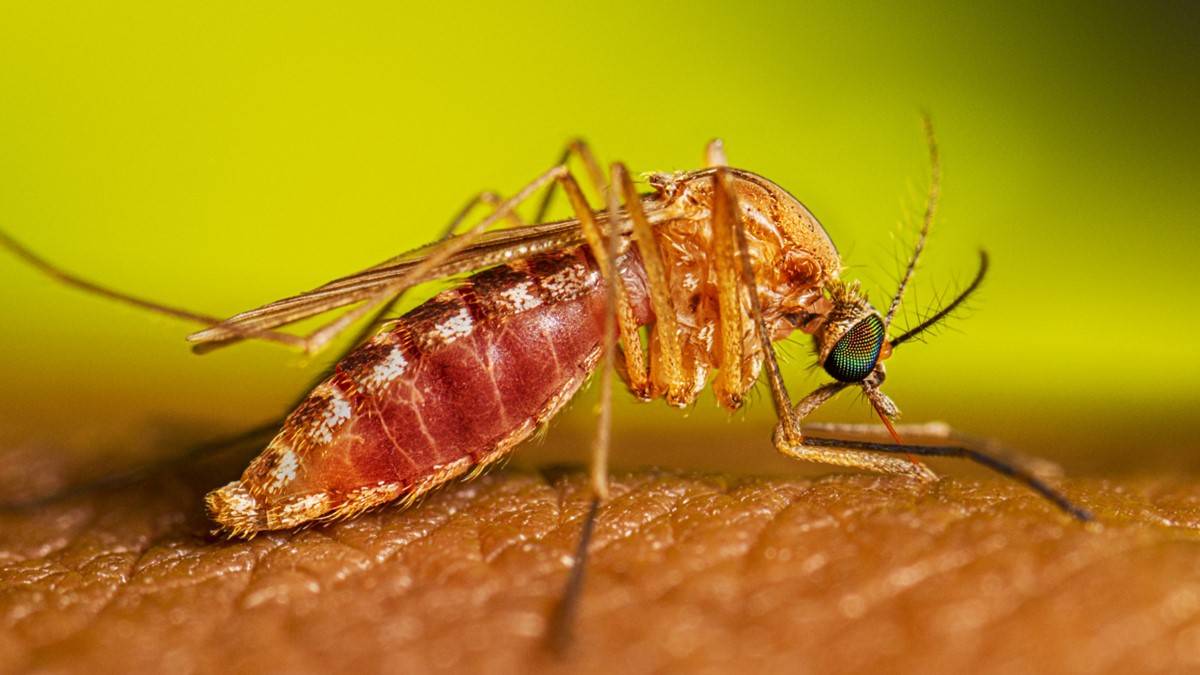
According to the CDC, WNV is spread primarily by mosquitoes in the Culex genus. The primary vectors vary by region.
You should contact your healthcare provider if you develop:
- Fever after a mosquito bite during mosquito season
- Severe headache
- Neck stiffness
- Confusion
- Muscle weakness
- Difficulty walking
- Seizures
Healthcare providers determine whether testing is appropriate based on your symptoms and clinical evaluation—not simply because of a mosquito bite.
For patients with suspected neuroinvasive disease, a laboratory diagnosis typically involves detecting WNV IgM antibodies in blood (serum) or cerebrospinal fluid (CSF). Molecular PCR testing has limited usefulness in most patients because the virus circulates in the bloodstream for only a short period before the immune response develops.
3. How does WNV impact the human body?
West Nile virus belongs to the Flavivirus family—the same family that includes dengue, yellow fever, Japanese encephalitis, and Zika viruses.
After an infected mosquito bites a person, the virus initially infects skin cells and nearby immune cells before spreading through the bloodstream. In most healthy individuals, the immune system controls the infection before significant illness develops.
In rare cases, however, the virus crosses the blood-brain barrier, allowing it to infect the central nervous system. This can lead to inflammation of the brain, spinal cord, or surrounding tissues, resulting in potentially life-threatening neurological complications.
Older adults, organ transplant recipients, cancer patients receiving chemotherapy, and people with weakened immune systems face the highest risk of severe disease.
Although many patients recover completely, neurological recovery may take months, and some individuals experience long-term problems such as fatigue, muscle weakness, memory difficulties, or balance issues.
4. Are pets susceptible to West Nile virus?
Yes—but the answer depends on the animal.
Horses are particularly susceptible and can develop severe neurological disease similar to humans. Fortunately, highly effective vaccines are available for horses and are strongly recommended by veterinarians.
Dogs and cats can become infected but rarely develop significant illness. Most infected pets either have mild symptoms or show no signs of disease at all.
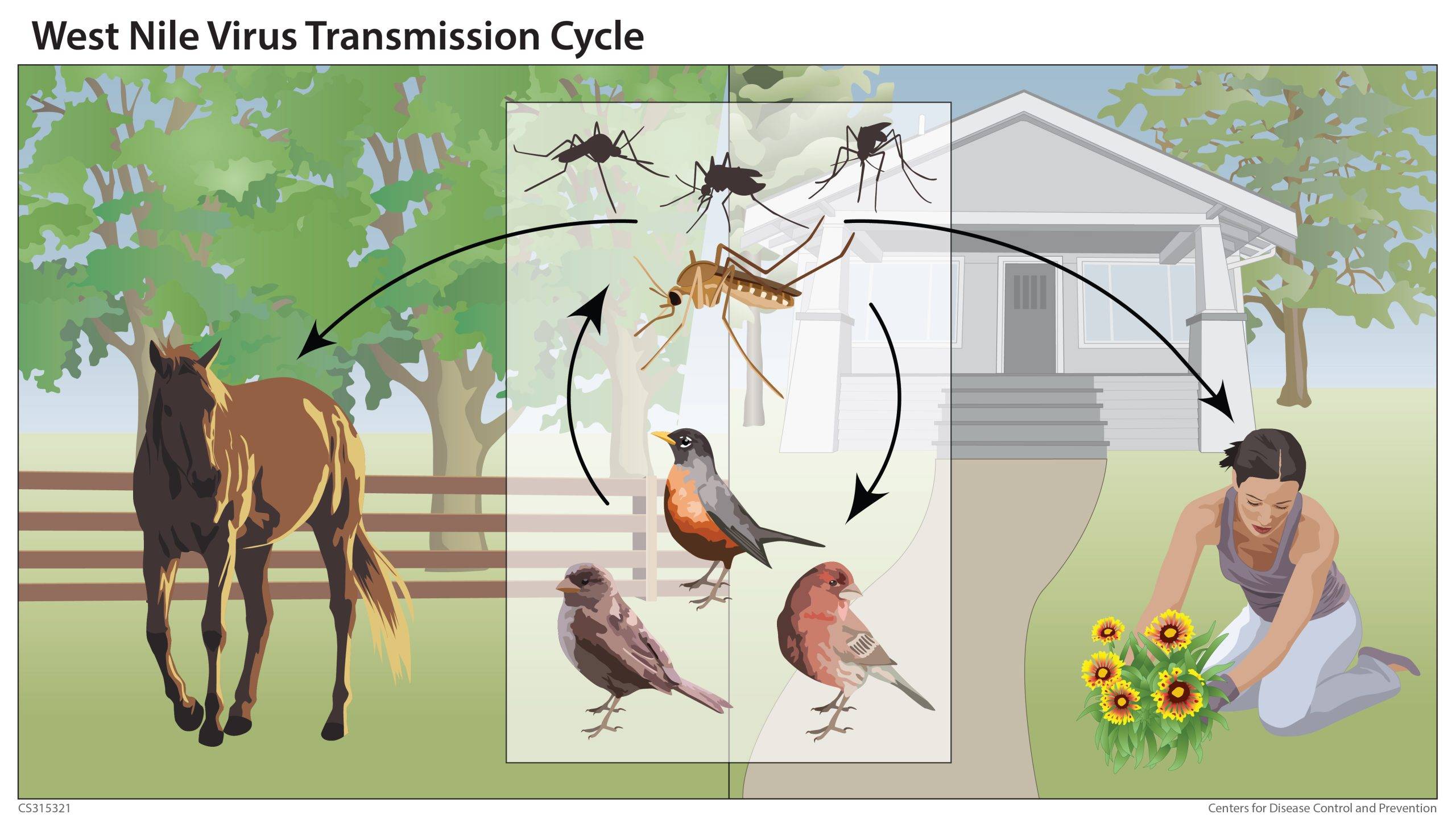
Birds are central to the virus's natural transmission cycle. Mosquitoes become infected after feeding on infected birds and can then transmit the virus to other birds, humans, or horses.
Humans and horses are considered "dead-end hosts." That means although they can become infected, they generally do not develop high enough levels of virus in their blood to infect additional mosquitoes. In other words:
- You cannot catch WNV from another person.
- Your dog or cat cannot give you WNV.
- The virus spreads primarily through infected mosquitoes.
5. Should people in Hays County, or anywhere in Texas, be worried?
People should be aware, not alarmed.
Finding WNV in local mosquito pools actually demonstrates that surveillance programs are working as intended. Mosquito testing helps public health officials identify areas where the virus is circulating so they can inform residents and implement mosquito control measures when appropriate.
Texas reports WNV activity nearly every year because the environmental conditions are favorable for mosquito populations. The best approach is prevention rather than fear.
Simple protective measures include:
- Using EPA-registered insect repellents containing DEET, picaridin, IR3535, oil of lemon eucalyptus (OLE), or PMD (for appropriate ages).
- Wear long sleeves and pants during dawn and dusk when mosquitoes are most active.
- Eliminating standing water around homes, including flowerpots, bird baths, gutters, buckets, old tires, and children's toys.
- Repairing damaged window and door screens.
- Following local mosquito control recommendations.
Community participation is one of the most effective tools for reducing mosquito breeding sites.
6. Is there a vaccine or treatment for West Nile virus?
Currently, there is no approved human vaccine and no antiviral medication specifically for WNV. Treatment focuses on supportive medical care.
Patients with mild illness usually recover at home with:
- Rest
- Fluids
- Pain relievers or fever reducers as recommended by their healthcare provider
Patients with severe neurological disease often require hospitalization, intravenous fluids, respiratory support if needed, and intensive neurological care. Researchers continue investigating vaccines and antiviral therapies, but prevention through mosquito bite avoidance remains our most effective defense.
Final thoughts
West Nile virus is a reminder that infectious diseases often emerge quietly within our own communities. The recent detection of infected mosquitoes in Hays County highlights why routine public health surveillance, mosquito control programs, clinical awareness, and laboratory diagnostics remain essential components of protecting community health.
Public health matters all the time to everyone. Even when things seem quiet. Pathogens never rest, so preparedness is always critical for our collective global One Health community.
Fortunately, the vast majority of infections are asymptomatic or mild. By understanding the risks, recognizing warning signs, and taking simple preventive steps, people can continue enjoying outdoor activities while significantly reducing their chances of infection.
As both a microbiologist and virologist, I encourage everyone to view mosquito prevention as part of good public health practice. Whether it's removing standing water, wearing insect repellent, or staying informed through your local health department, these small actions collectively help protect individuals, families, and communities throughout mosquito season.