
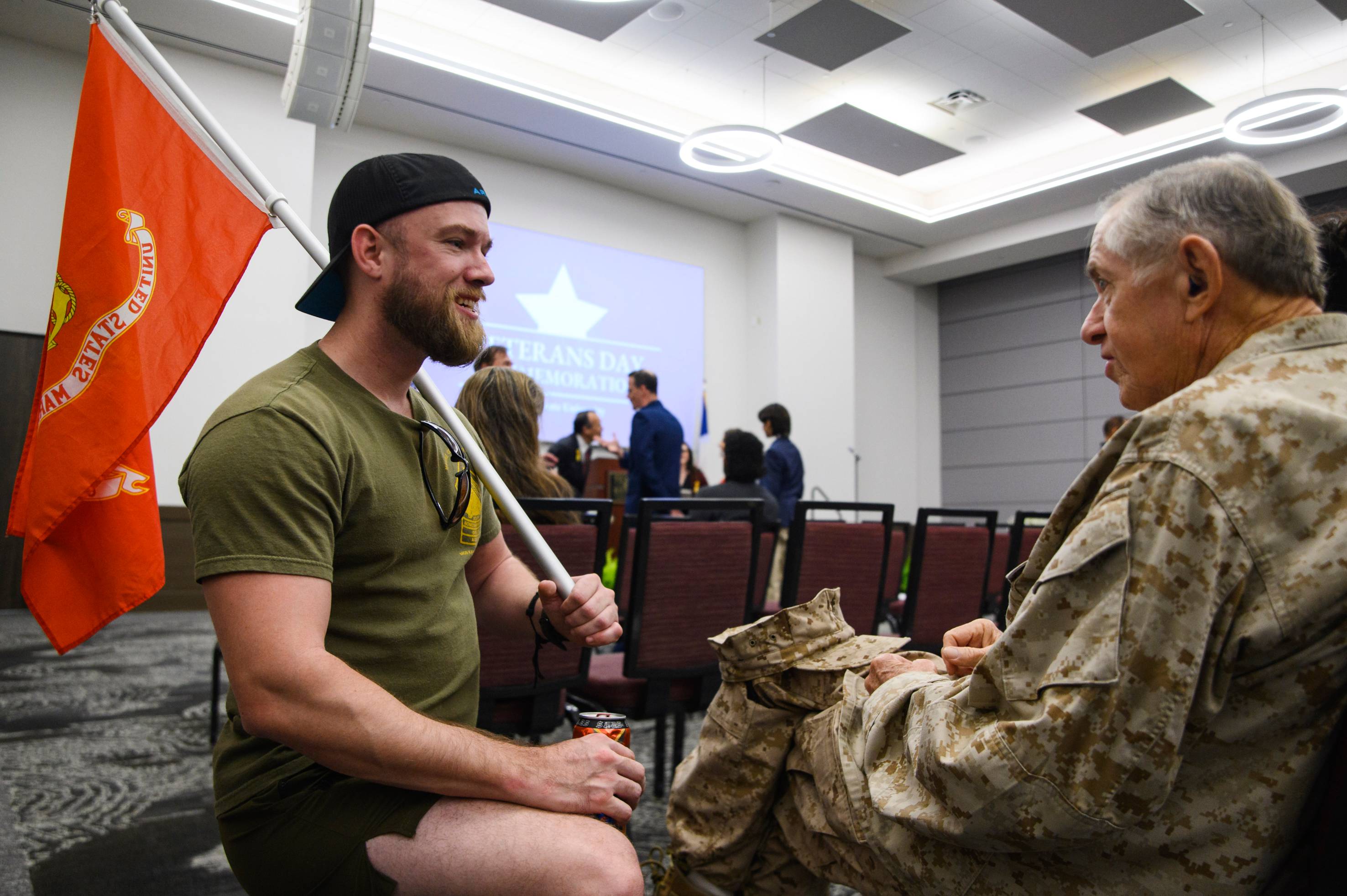
A new U.S. Department of Veterans Affairs grant will expand Texas State University’s efforts to bring veterans’ stories into K–12 classrooms. The Texas Veterans Legacy for Tomorrow (TexVet Legacy) project will preserve veterans’ histories, create resources highlighting Gold Star families, and offer guided learning at VA-funded cemeteries across Texas—reaching about 4,000 students every year.
By teaching young people about service, sacrifice, patriotism, and the cost of defending freedom, the program helps ensure that veterans’ legacies remain a part of the shared national memory.
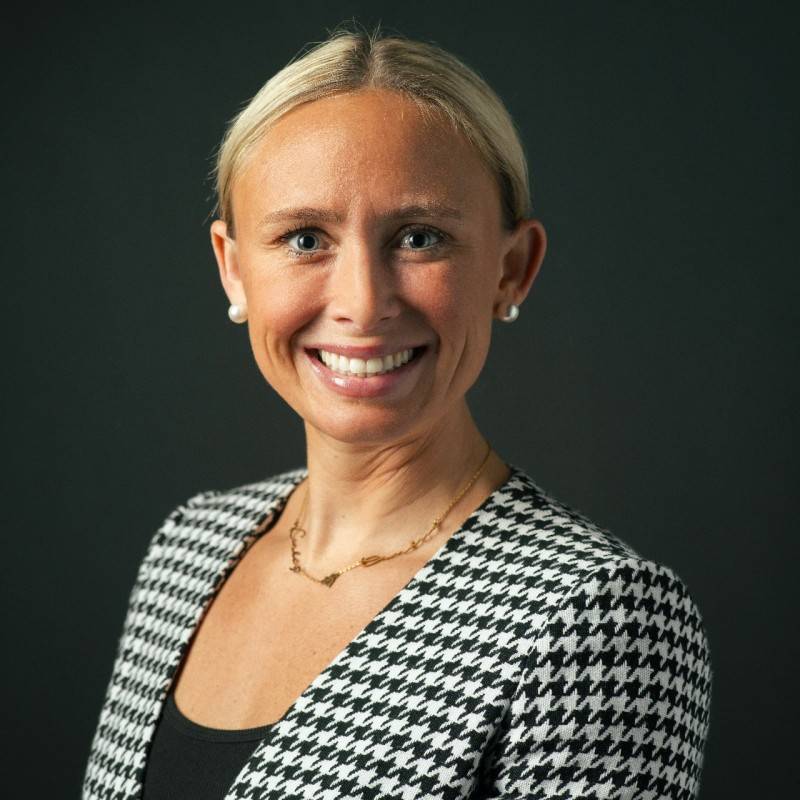
“I feel very honored to be able to do this work,” said Kelly Clary, Ph.D., an associate professor in the School of Social Work, a senior faculty fellow at the Translational Health Research Center, and the grant’s principal investigator. “It is rewarding to see the many ways the project supports veterans and military-connected students. We are constantly learning and identifying new opportunities to build on that work.”
For Katherine Selber, Ph.D., professor in the School of Social Work, co-principal investigator, and a cofounder of the Veteran Advisory Council, the project affirms a broader commitment to honoring military service and deepens relationships with veteran-serving organizations.
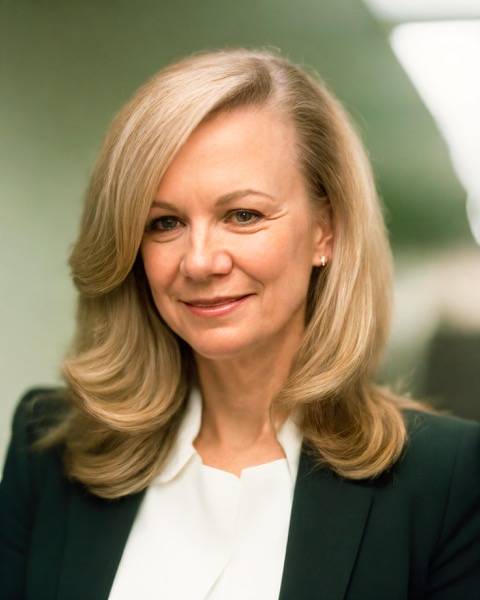
“This project is built on a 15-year history of working to support student veteran success on campus through the Veteran Advisory Council,” Selber said. “Our campus has received the Gold Star Recognition from the Texas Veterans Commission from 2022 to 2026 for supporting our student veterans. Because of how they served, we all need to live our lives to be worthy of their sacrifices. That is a mantra I carry into my teaching, service, research, and grant work.”
The new grant builds on TXST’s VA-supported TexVet Legacy Project, which launched in 2024 under principal investigator Selber and co-investigator Clary. The team preserved 55 veterans’ stories—exceeding its goal—trained 12 student veterans and military-connected students as interviewers, and introduced educators to a classroom-ready storytelling model.
“We learned a lot about the process and the model, which has allowed us to expand this work,” Clary said. “We truly believe the TexVet Legacy model can be used by other organizations and universities.”
With the new funding, the team will create 13 K-12 lesson plans, expand its open educational resources page through TXST, and widen its statewide teacher network. The new TexVet Teacher Fellowship Program will host a Summer Institute which will prepare educators to guide students in researching and preserving veterans’ histories in their communities.
The team will also develop a digital interpretive walking tour and guided visits at two VA-funded cemeteries. The project will place greater emphasis on Gold Star families by incorporating into educational materials accounts from family members, friends, and fellow service members that help students understand the people represented by each gravesite.
“Every veteran has a story, even legacy veterans, and we don’t want those stories to fade away,” Selber said. “After about 10 years, if a veteran’s story hasn’t been told, it can be lost to this generation. We want to reach back while also preserving the stories of veterans from the Iraq and Afghanistan eras.”
The work also brings together multiple collaborators:
- American Widow Project, where Taryn Davis will work on Gold Star family storytelling
- The Department of Curriculum and Instruction in the College of Education, where Lori Czop-Assaf, Ph.D., and Jo Beth Oestreich, Ph.D., will guide the lesson plans and Summer Institute
- The Alkek Library, where Andrew Rechnitz, Ph.D., assistant vice provost for Creative Technologies & Media Engagement, will oversee the creative technologies used to share stories and where administrative librarian Kristin Van Diest will create and preserve accessible oral history recordings and transcripts, as well as open educational materials
- The Institute for Government Innovation, where Matt Pantuso will lead the interpretive walking tour and guided cemetery visits
- The School of Social Work in the College of Applied Arts, where Rachel Wyman will help with veteran outreach and engagement to work with families and veteran service organizations to find those who want to tell stories
TexVet Legacy pairs historical preservation with a social work lens by training students in trauma-informed interviewing before they document the memories of veterans’ families, friends, and fellow service members. The student veterans and military-connected students who serve as research assistants gain renewed purpose and professional skills in interviewing, digital storytelling, archival preservation, and community engagement.
“It can be very challenging to build trust and rapport with family members and friends who have lost someone,” Clary said. “We want them to know that we are going to protect their stories, be sensitive in the questions we ask, and provide empathy.”
TexVet Legacy is seeking family members, friends, and fellow service members interested in sharing the story of a veteran interred in a VA-funded cemetery in Texas. More information is available through the TexVet Legacy Project website.