

Texas State University and UT Health San Antonio have awarded the first grant through a new joint research program designed to accelerate collaboration between the two institutions. The award will support a multidisciplinary study of Type 2 diabetes.
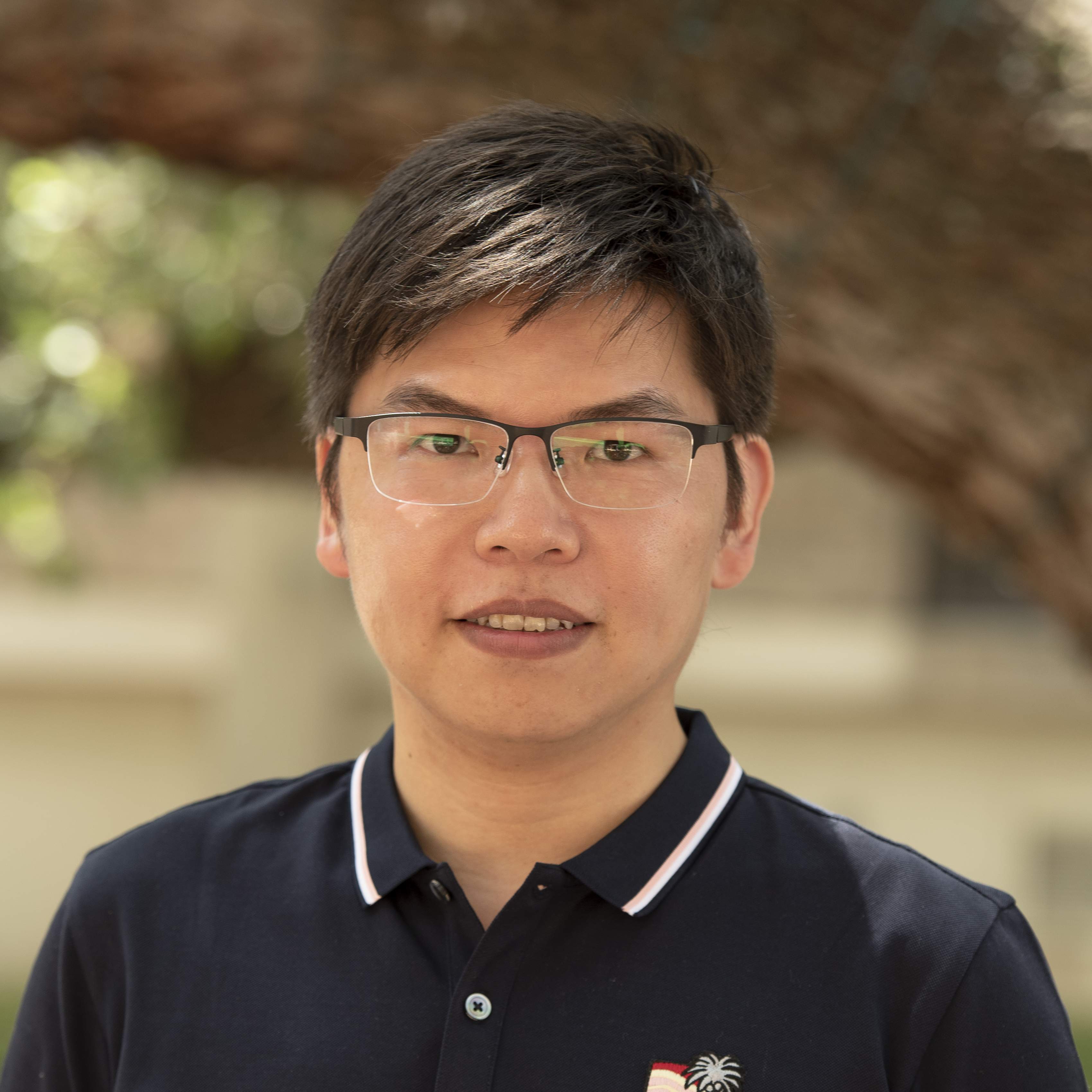
The Lone Star Collaborative Research Acceleration Pilot (LS-RAP), a $100,000 award, will provide funding and research support to Jie Zhu, Ph.D., an associate professor in the School of Family and Consumer Sciences at TXST, and Christiane Meireles, Ph.D., a clinical associate professor in the School of Nursing at UT Health San Antonio. The Translational Health Research Center (THRC) at TXST and the Office of Nursing Research and Scholarship (ONRS) at UT Health San Antonio School of Nursing jointly awarded the LS-RAP grant.
Their project will investigate how diet quality, genetic risk, and physical activity interact to influence the development of Type 2 diabetes and the likelihood of returning to normal blood sugar levels. The study will focus on Hispanic adults in the United States. By examining inherited and lifestyle factors together, the researchers aim to improve scientific understanding of Type 2 diabetes risk and progression.

As LS-RAP recipients, Meireles and Zhu will receive funding and access to research support services available through both THRC and ONRS. The program aims to build a pipeline of cross-institutional research collaborations capable of attracting sustained external funding from agencies such as the National Institutes of Health.
“This award exemplifies exactly the kind of bold, collaborative science the LS-RAP program was designed to catalyze,” said Melinda Villagran, Ph.D., executive director of THRC. “Dr. Meireles and Dr. Zhu are the perfect team to tackle collaborative research on the effects of diet, genetics, and lifestyle for people at risk for Type 2 diabetes. We are proud to invest in their work as a foundation for sustained partnership between our institutions.”
Senior faculty from both institutions selected the project through competitive peer review using NIH-based criteria for research importance, rigor and feasibility, the team’s expertise and resources, as well as the project’s potential to generate external funding.
“The LS-RAP program reflects our shared vision of building a vibrant research ecosystem where innovative ideas, rigorous science, and interdisciplinary partnerships thrive in addressing the healthcare needs that matter most to people and communities,” said Lixin Song, Ph.D., vice dean of research and scholarship at the UT Health San Antonio School of Nursing. “By supporting outstanding teams at an early stage, we are strengthening research capacity, fostering enduring scientific partnerships, and positioning our investigators for competitive NIH and other extramural funding.”