

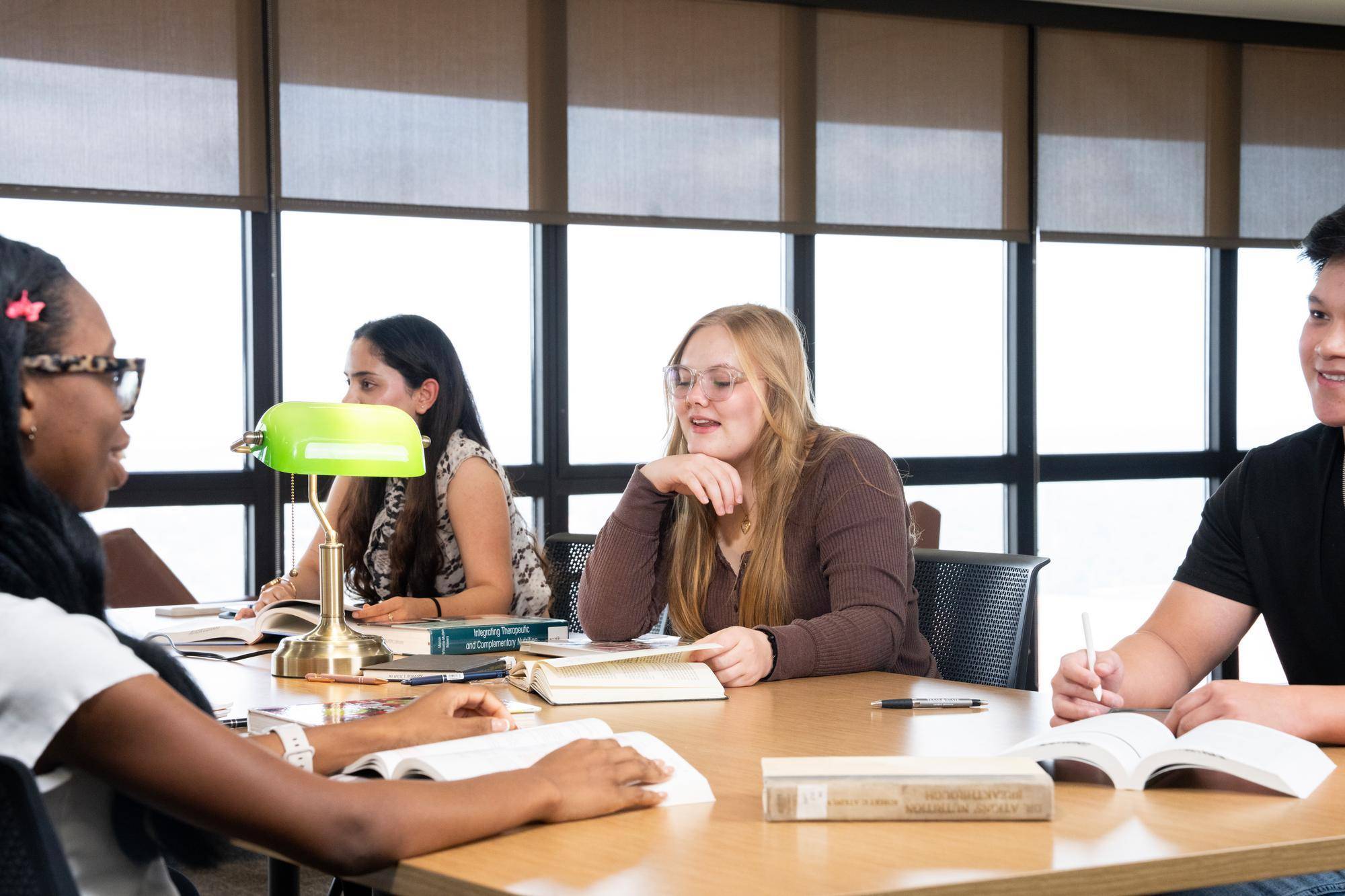
A hard math problem in school can plant a thought that lasts for years or even a lifetime: “Maybe I’m not a math person.”
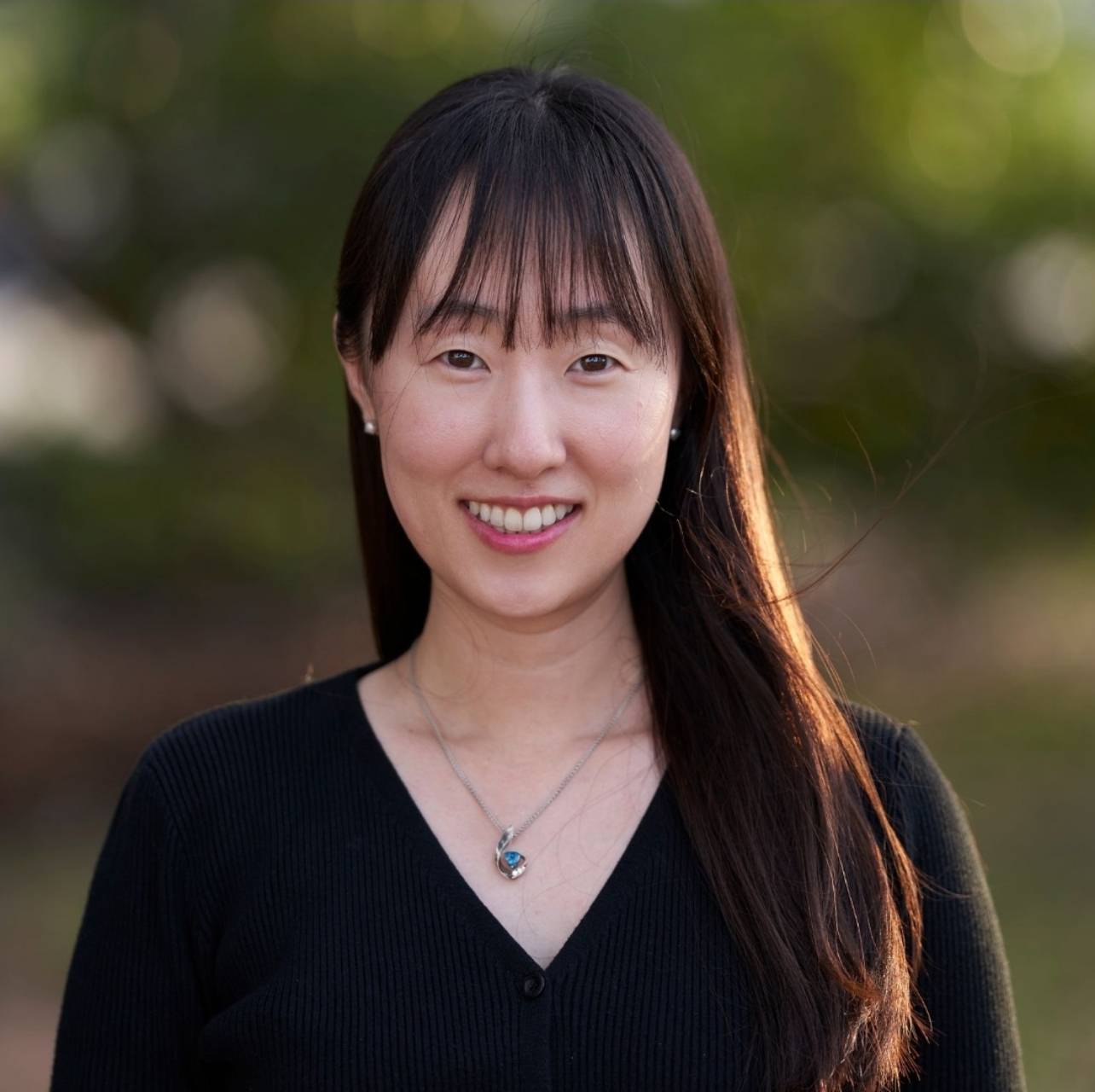
Eunjin “Jin” Seo, Ph.D., assistant professor at Texas State University, has received a $943,000 National Science Foundation CAREER Award to study whether classmates can help rewrite that narrative. Seo’s five-year Growing Together project will examine how students’ everyday conversations about grades, mistakes, effort and ability influence their motivation to persist in STEM.
“Students do not develop their beliefs about ability alone. They are constantly learning from classmates,” Seo said. “They hear how peers talk about grades, mistakes, effort and ability.”
Some students interpret a disappointing grade as proof they are not cut out for STEM, especially when classmates talk as if people are either born with a “science brain” or they are not. Seo will study how these messages take hold in undergraduate STEM classes.
Through TXST’s Student Engagement and Opportunity Lab, Seo will collaborate with faculty advisors, STEM instructors and student research assistants. Students will complete brief daily diaries about their peer experiences, and researchers will capture small-group conversations in selected classes. Using what they learn, the team will create and test activities designed to help students foster a more growth-supportive peer culture that normalizes struggle, encourages help-seeking and mutual support, and communicates that abilities can develop over time.
The stakes of the research can be life-changing, especially for first-generation students navigating an unfamiliar college environment. For them, classmates can be a source of information about what is normal, who belongs and what it takes to succeed. A student who hears they lack a certain type of “brain” may carry that belief into a college major and future career choices. Seo’s project asks whether peers themselves can help create a classroom culture in which more students see struggle as a normal part of learning rather than evidence that they do not belong.
That need is clear. The Texas Workforce Commission lists computer and mathematical occupations among the state’s most in-demand high-wage fields, with 99,651 jobs projected by 2032. Nationwide, the U.S. Bureau of Labor Statistics projects 807,700 new STEM jobs through 2035, more than twice the growth rate for all jobs.
Seo’s study will not replace strong instruction or academic support. It will test whether classmates make a challenge feel like a dead end or a normal step in learning. The findings could give families, schools and policymakers another tool for supporting students and building the future workforce.
“I want to understand how we can create a peer culture in which students collectively support the idea that abilities can grow and that experiencing difficulty does not mean you do not belong in STEM,” Seo said.