

TXST doctoral candidate Tatiana Velásquez Roa awarded $30,000 World Wildlife Fund Fellowship

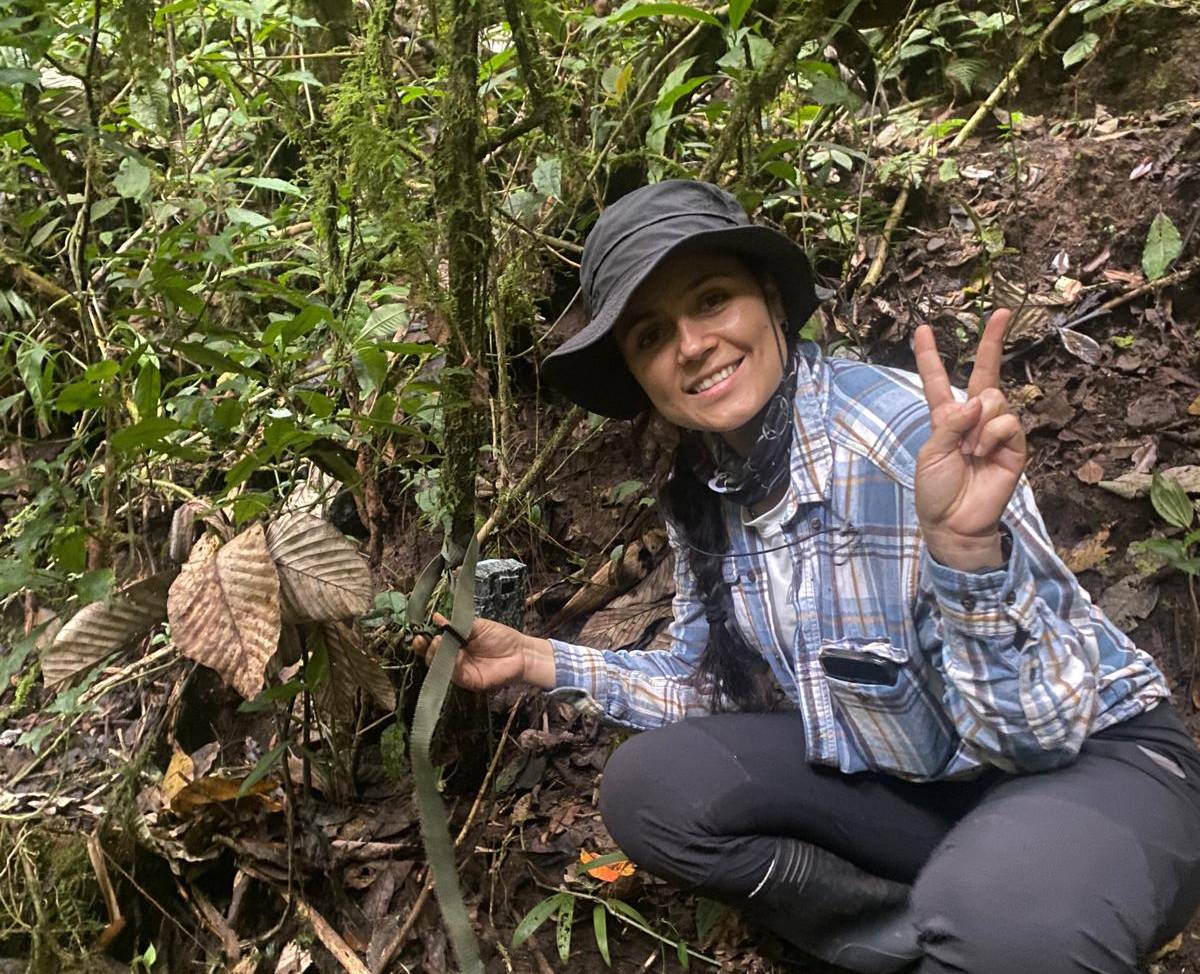
woman smiling while holding up peace sign. she is in a heavily wooded area and wearing a grey bucket hat

TXST doctoral candidate Tatiana Velásquez Roa won the $30,000 WWF EFN Gustavo Fonseca Fellowship. She will use the funding to study mammalian carnivore activity patterns and launch a Snapshot Global wildlife monitoring chapter in Colombia.

Tatiana Velásquez Roa headshot
Tatiana Velásquez Roa

Tatiana Velásquez Roa, third-year doctoral candidate in the integrative and applied biology program at Texas State University, received the largest award of her career this summer, the World Wildlife Fund (WWF) Education for Nature (EFN) Gustavo Fonseca Fellowship for Latin America, providing $30,000 in research funding over two years

The Fonseca Leadership Program supports applied conservation research efforts in developing Latin American nations through direct funding for current graduate students and conservation practitioners seeking graduate education.

“I believe I was selected as a finalist because my work combines rigorous ecological research with meaningful conservation impact,” Velásquez Roa said.

Velásquez Roa has been studying biology since she was an undergraduate student at Universidad del Quindío. Her dissertation research at TXST examines how mammalian carnivores distribute their activity throughout a 24-hour period and how body mass and dental characteristics influence those patterns. She plans to use the funding to establish a chapter of the Snapshot Global wildlife monitoring initiative for her home country of Colombia. 

“This project generates scientific knowledge while building conservation capacity, promoting collaboration and engaging local communities,” she said. 
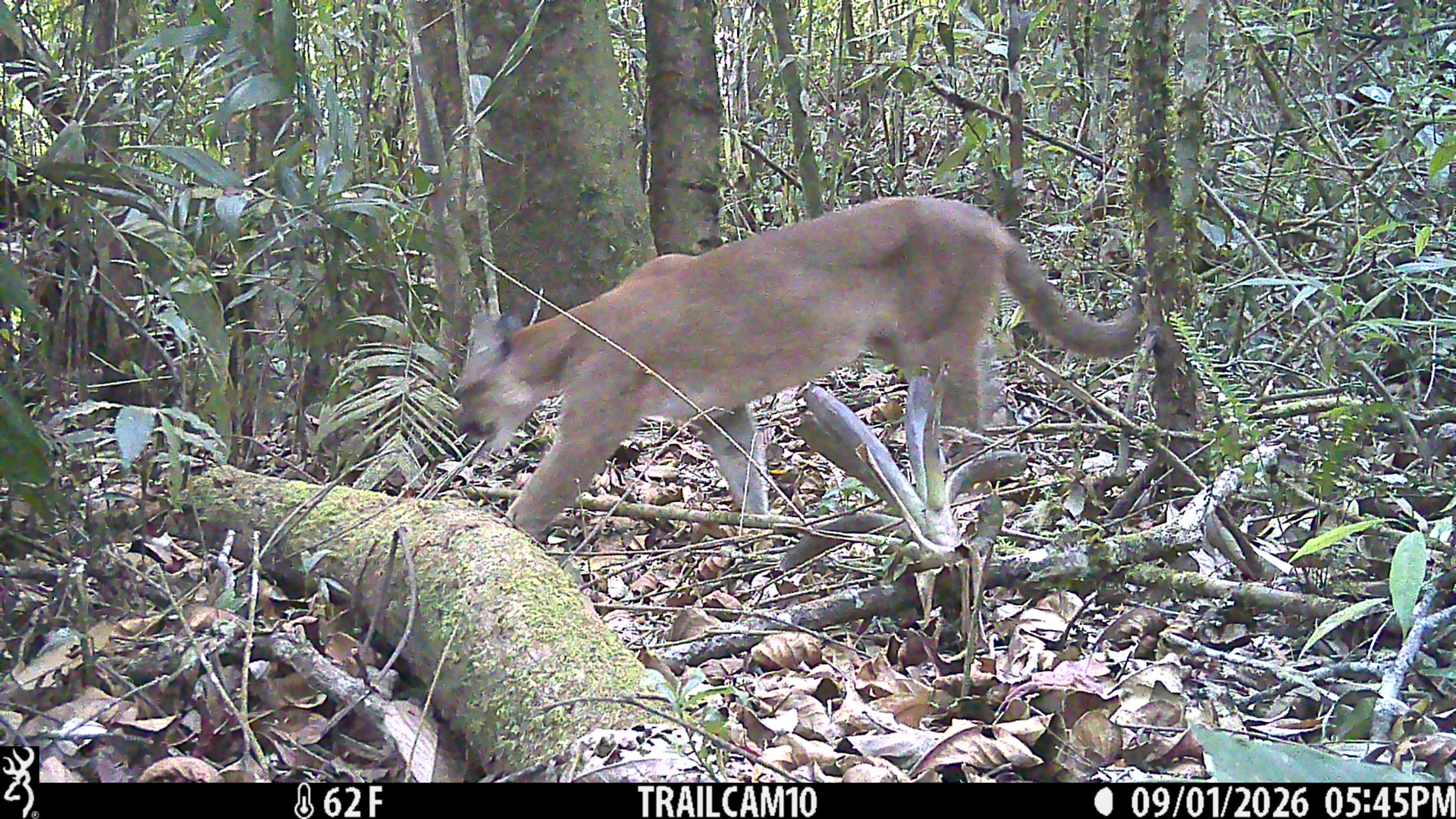
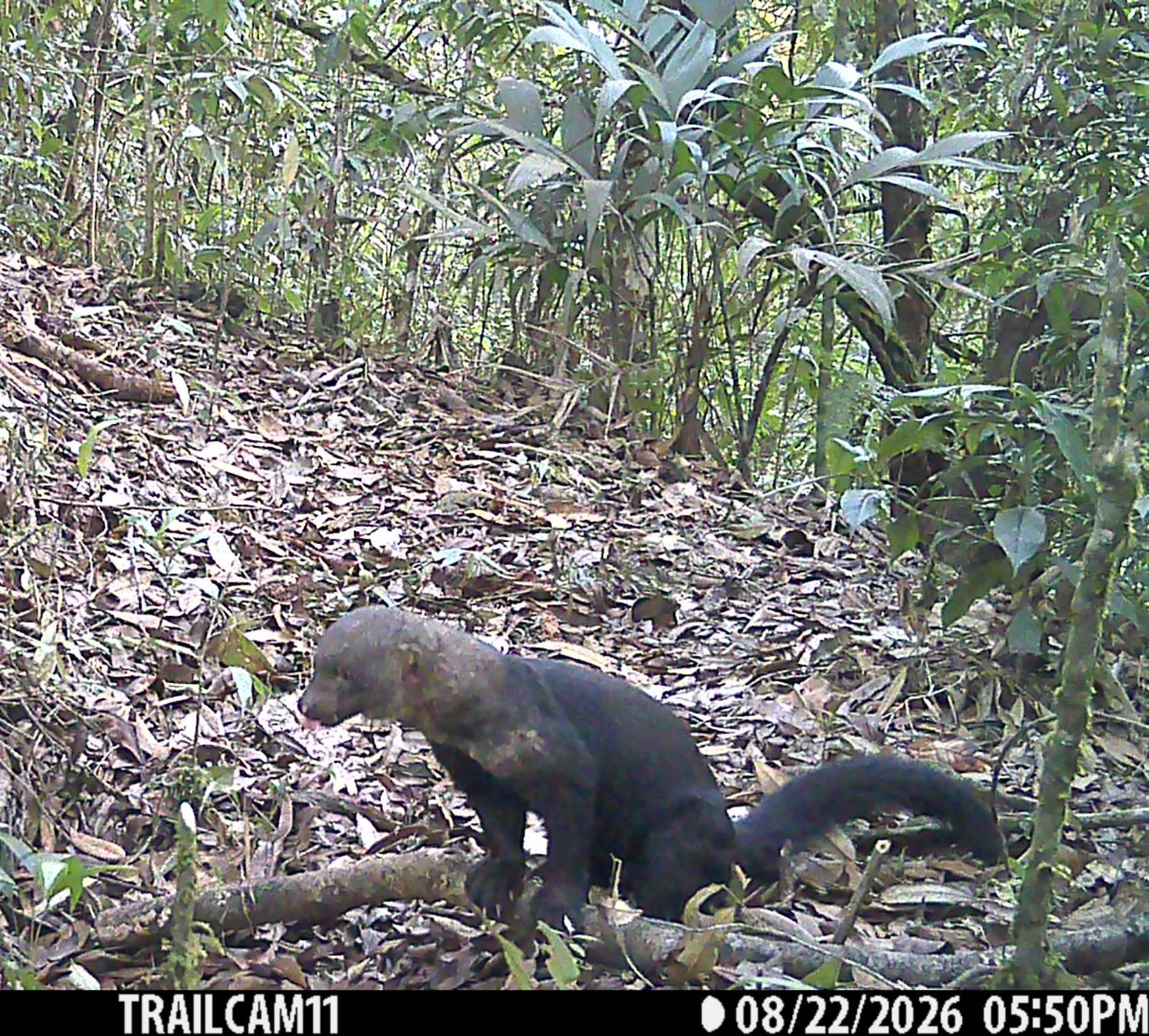
 Photo of a puma captured on a camera trap.
Photo of a puma captured on a camera trap.
 Photo of a tayra captured on a camera trap.
Photo of a tayra captured on a camera trap.
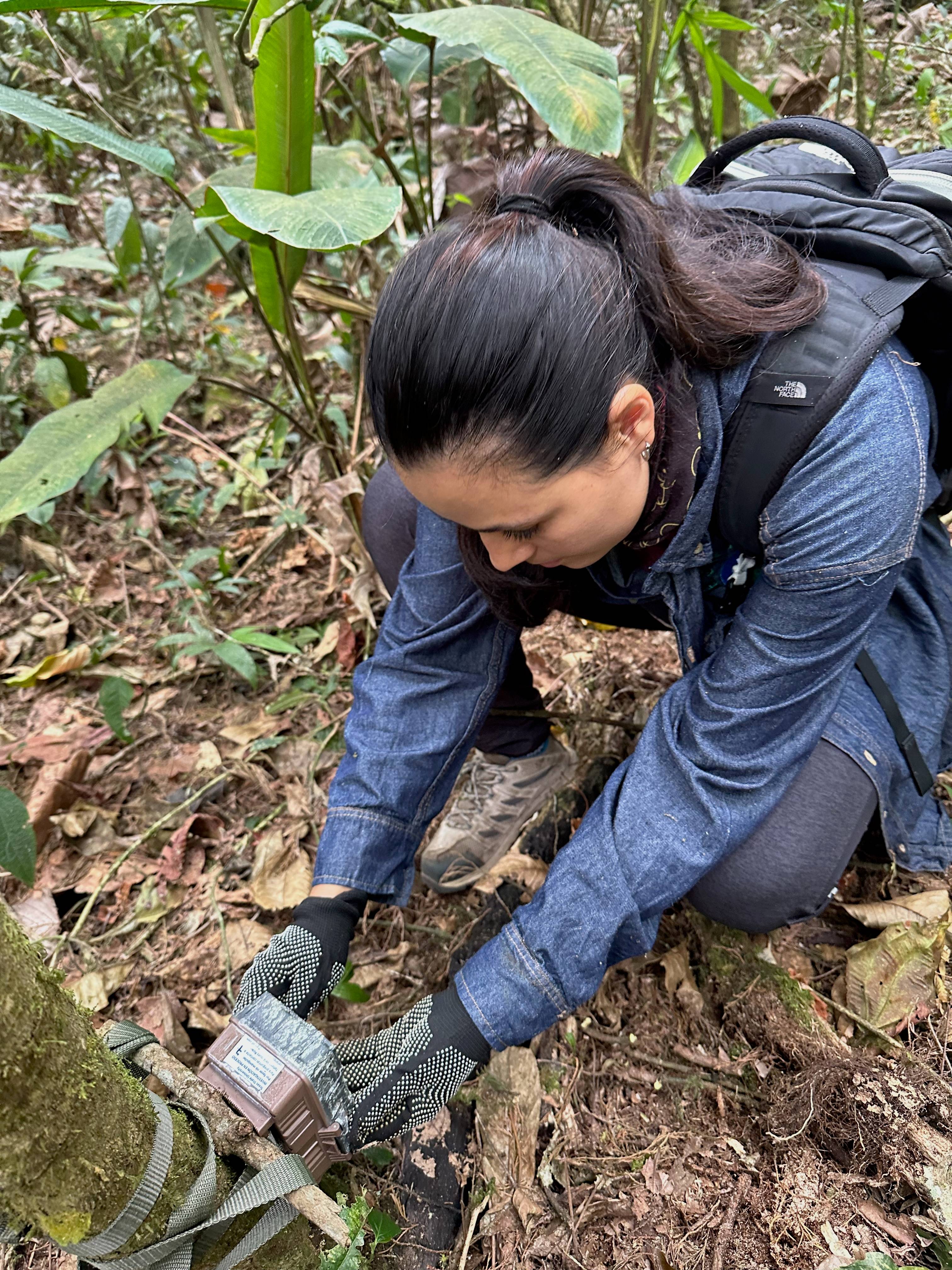
 woman in blue long sleeve shirt sets up wildlife camera in wooded area
Velásquez Roa uses a camera to monitor wildlife activity.

Velásquez Roa was also the recipient of several other awards this summer, including a Grant-in-Aid of Research from the American Society of Mammalogists (ASM). In addition to this grant, ASM honored her with the Elizabeth Horner Award, which recognized her application as the most impressive among over 150 applicants.

She has also been awarded a seed grant from the Association of Tropical Biology and Conservation and a small grant from the Rufford Foundation. Altogether, she has secured more than $40,000 in research funding for the 2026–27 award cycle.

In previous award cycles, Velásquez Roa was recognized by the Alpha Chi honor society with the “In Scholarship and in Service” Grant and was the first TXST international student to receive the Sue Nichols International Peace Scholarship from the Philanthropic Educational Organization.

Velásquez Roa urges future applicants to this competitive grant to look beyond the science of their research and explain the broader impact their research will have on the communities it serves.

“A strong research question is important, but the social impact of your project and the people it serves can be just as important in demonstrating your potential as a future conservation leader,” she said.

Currently, Velásquez Roa works as a doctoral instructional assistant for the mammalogy course in the Department of Biology where she has honed and applied her skills in mentoring and leadership. In previous semesters, she taught courses in wildlife management, wildlife techniques, and organismal biology. Her goals include making science accessible and impactful while bridging the gap between scientific research and conservation practice through community engagement. 

Velásquez Roa and colleagues in the back of a Jeep preparing to conduct field research in Colombia.

For more information, contact:

TXST Office of Media Relations, 512-245-2180