
Doctoral student is first to receive a named P.E.O. Scholar Award at TXST

erin schilling headshot

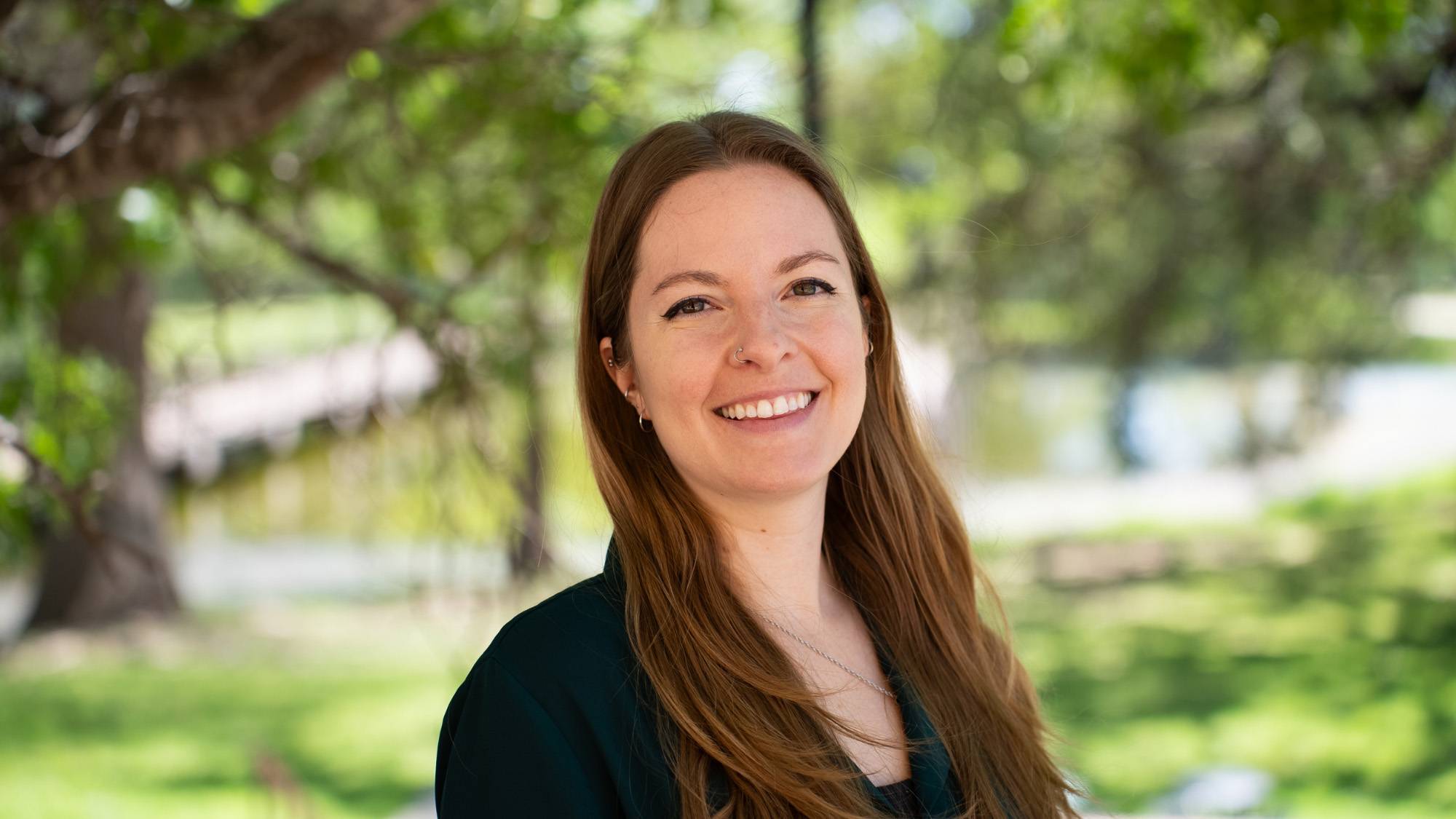
Texas State doctoral student Erin Shilling is the university’s first recipient of a named P.E.O. Scholar Award, honored for her coral reef research, leadership, and academic excellence.

Erin Shilling, a fourth-year doctoral candidate in aquatic resources and integrative biology at Texas State University and a 2025 P.E.O. Scholar Award recipient, is the university’s first student to receive a named Scholar Award from P.E.O. International. Of the 100 Scholars awarded nationwide in 2025, Shilling is one of only 16 to have received a special designation as an Endowed or Named Scholar.

Shilling was designated the Sue Nichols Chapter J Alabama Named Award Scholar, honoring her academic excellence, leadership, and potential to make a lasting impact in her field. The named award carried particular significance for Shilling, who reflected on the life and impact of its namesake, former P.E.O. member Sue Nichols.

“It means the P.E.O. Scholar Award Board of Trustees felt I had outstanding accomplishments and potential, and they felt I could look to Sue Nichols as an example as I continue down my path,” she said. “Sue Nichols lived an incredible life helping others as a nurse, traveling and working to improve the lives of those around her. I am flattered to have received the named award in her honor.”
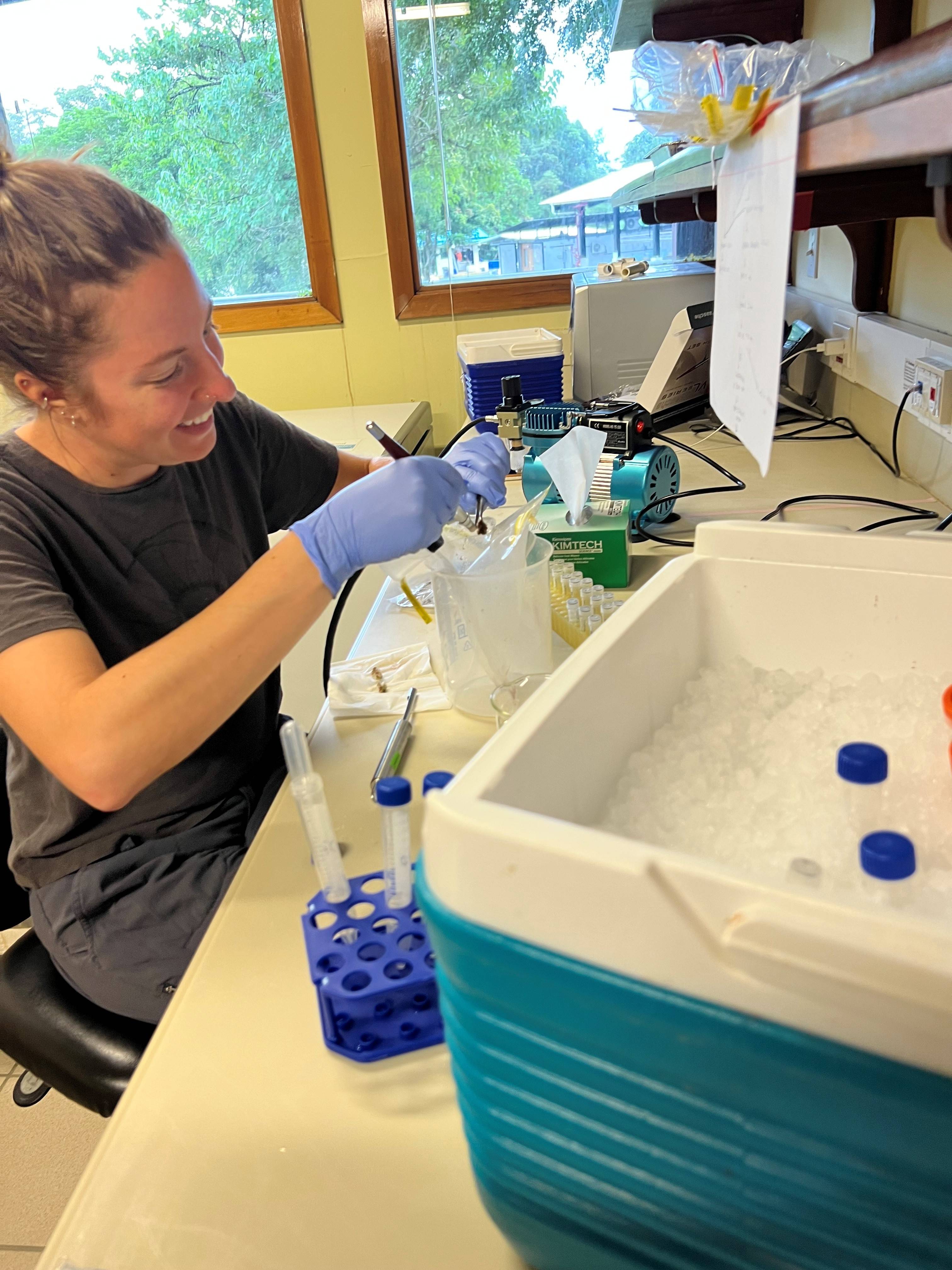
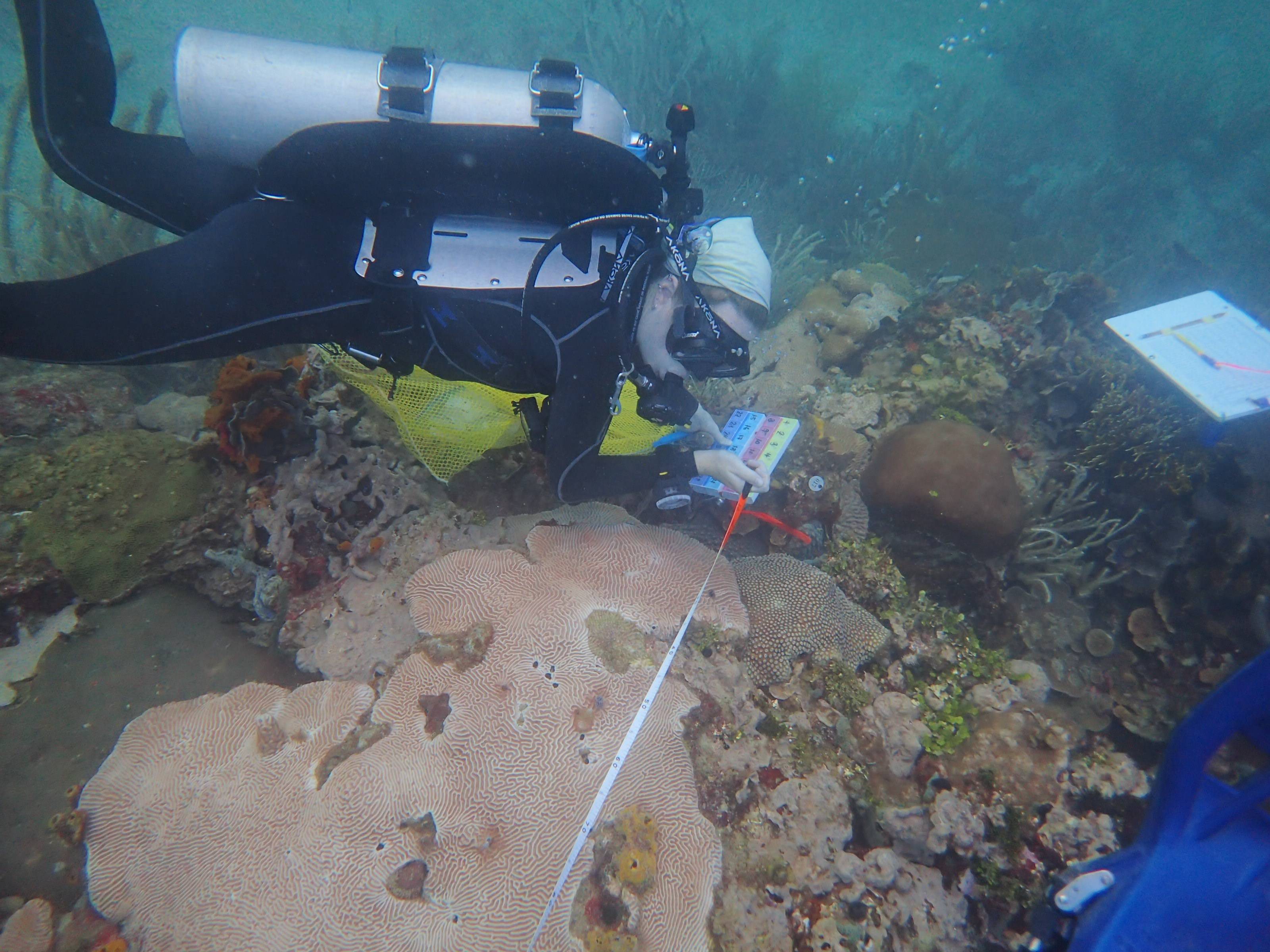
Photo credit: Ryan Eckert

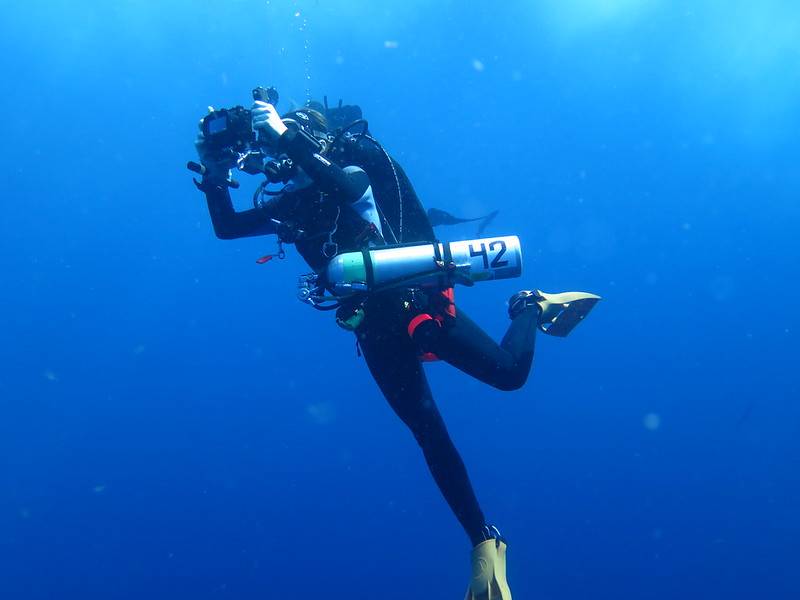
Shilling diving at the Flower Garden Banks Marine Sanctuary on a research cruise with the Voss Lab. 

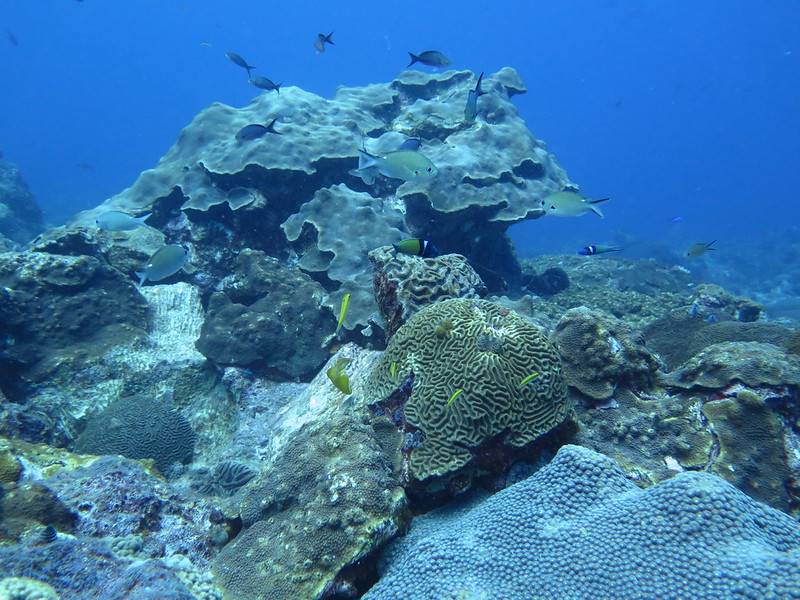
Shilling has been studying coral reefs for the past decade and focuses her doctoral research on coral disease ecology and immunity. 

“Coral reefs are extremely important habitats for thousands of ocean species,” she said. “They protect our coastlines and support the global economy through fisheries and tourism. In the last few decades, disease has been one of the major drivers of the decline of corals, so I hope by improving our understanding of disease we can better manage and prevent future disease outbreaks and protect coral reefs.”

Shilling works as a doctoral research assistant under Lauren Fuess, Ph.D., an assistant professor in the Department of Biology. As part of her graduate assistantship, Shilling focuses on her own dissertation research while contributing to related projects.

Play Video

Watch Erin Shilling talk about her research and earning the P.E.O. Scholar Award

Fuess had much to say about the unique perspective that Shilling's work brings to a large body of research surrounding stony coral tissue loss disease in the Caribbean. 

“While many groups are focusing on what makes coral resistant to the disease before it arrives, Erin is focusing on how corals might change and adapt to persist through disease outbreaks,” she said. “This is an important and fresh perspective that will inform better management of essential coral reef ecosystems, preserving their economic and biological benefits for generations to come.”

Fuess noted that the significance of Shilling’s research—paired with her intentional mentorship of early-career women scientists—made her a deserving recipient of the award.

“As Erin wraps up her dissertation, I truly look forward to watching where she goes next,” she said. “I’m confident she will continue to pursue research with potential translational applications that will shape the field of coral biology in the future, while also having a strong positive impact on the communities around her.”
 

woman uses airbrush in science lab setting
Photo credit: Felicia Aronson.
woman SCUBA diving and taking field lab notes
Photo credit: Nicholas Jones.

Left: Shilling using an airbrush to remove tissue samples from corals she had collected in Bocas del Toro, Panama, at the Smithsonian Tropical Research Institute. She uses the tissue samples to characterize the immune systems of those corals. 

Right: Shilling, working on a transect, samples a coral that has been tracked over multiple years using a hammer and chisel. The samples from that coral and others are at the Smithsonian field station on Carrie Bow Cay, Belize, where they are used to study coral physiology and characterize their immune systems. 

The P.E.O. Scholar Award has provided significant support for Shilling’s doctoral work, reducing her financial stress by covering the costs of tuition and supplementing her living expenses.

“This financial support makes a huge difference in my day-to-day ability to focus on my research and also means I don’t have to continue to spend time applying for other fellowships to cover the costs of my education,” she said.

Shilling’s long-term career goal is to conduct research for organizations such as National Geographic or the Nature Conservancy, or in a federal research role at the U.S. Geological Survey, improving understanding of the threats coral reefs face to make sure they are better managed and protected. 

The P.E.O. Scholar Awards support women pursuing doctoral-level studies who have demonstrated academic achievement, leadership, and a commitment to service. Funded by the P.E.O. Sisterhood, a philanthropic organization dedicated to advancing women’s education, the program annually provides $25,000 awards to exceptional scholars across the United States and Canada. 

For more information, visit the P.E.O. International webpage.
 

For more information, contact:

TXST Office of Media Relations, 512-245-2180